
A Global History of What It Means to Hold Our Own
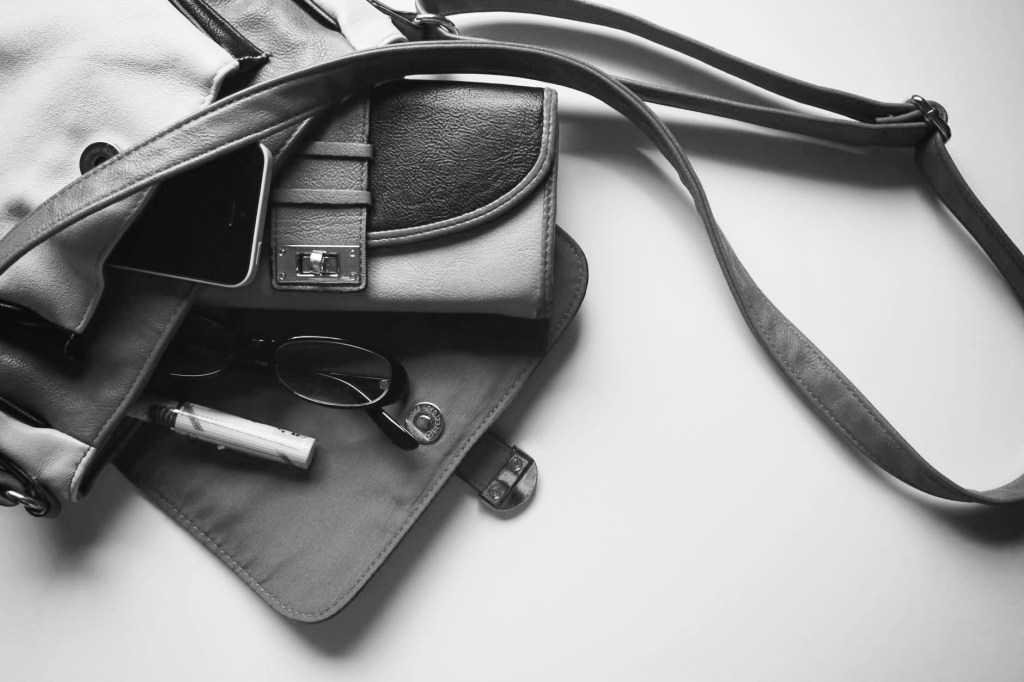
A woman’s purse is a mysterious place.
Different. Distinct. Every culture has its own rhythm and relationship with this small container of daily life — its own expectations of use, design, and decorum. Yet one thing I’ve discovered is that I can appreciate and learn from each.
My own purse? It’s a black hole. Once things go in, who knows if they’ll ever find their way out. This comes in handy more often than I’d like to admit — because somehow, in any given moment, I have what’s needed.
Inside are the little lifelines of a school counselor, a mom, and a woman determined to be prepared for anything:
a nail file, Bobby pins, a passport photo of myself, a few pills of my daily medications, a mini roll of toilet paper, hand sanitizer, a pen, bindis, band-aids, lip balm, sunblock, pain reliever, hair ties, lotion, an electrolyte drink packet, blister pads, alcohol wipes, a panty liner, nail clipper, comb, and toothpick.
Then there’s the backup case — yes, a whole second layer — holding extra electrolytes, another file, more hair ties and lip balm, a headache-relief roller, breath spray, an anti-chafing stick, and lip gloss (for the rare day I remember I own some).
Tucked beside those are deodorant, a few crayons, a rose-water cooling stick, spare panties, a small pill case, and a wrapped disposable spoon — because life as a mom and counselor guarantees at least one moment a week that will require a crayon, cooling stick, or spoon.
And of course, the usual suspects: three wallets, a business card case, and keys.
No one could accuse me of being unprepared.
But lately, I’ve wondered what my “black hole” says about me — and about the world I live in. What does a purse reveal about its owner, her culture, her freedoms, her expectations? What do we, as women around the world, carry — not just in our bags, but within our stories?
Across the ages, to carry was to claim.
Before there were pockets, there were hands.
And when the work of living required more than two hands could hold — seeds, coins, letters, small prayers — the first pouches appeared. They were not yet fashion, not yet symbols of class or taste. They were survival stitched in leather and linen: tiny proofs of self-sufficiency.
In ancient Egypt, both men and women tied beaded pouches at their waists for cosmetics or amulets — a mingling of beauty and protection. In feudal Japan, carved inrō boxes hung from kimono sashes, each compartment holding medicine or seals, each a quiet act of order in a layered world. Chinese women embroidered hébāo silk pouches with cranes and flowers, filling them with coins, herbs, and fragrant sachets that whispered their artistry more than their words ever could.
In India, the potli became part of ceremonial dress — embroidered, tasseled, carrying jewelry or gifts, or sometimes nothing more than a token of goodwill. In West Africa, tooled leather pouches and woven baskets held both provisions and power, mixing practicality with sacred meaning.
Europe’s story shifted when men gained pockets and women did not. Their belongings remained external, tied to the body or hidden beneath layers. When those small drawstring bags emerged and became visible, they were renamed reticules — delicate, fashionable, and faintly rebellious. To own one was to possess a rare thing: a private space.
As centuries unfolded, the purse grew alongside women’s freedom. Suffragettes carried pamphlets and apartment keys. Working women carried pay packets. Mothers carried medicine. Travelers carried passports, prayer beads, and possibility.
Across every culture, the purse became both an accessory and an assertion — a vessel for the things we deem worth holding. Within its folds lie stories of survival, vanity, devotion, and independence: coins beside lipstick, receipts beside rosaries, hope beside habit.
Today, whether it’s a woven clutch in Oaxaca, a structured tote in Milan, or a sequined pouch in Mumbai, the purse remains an archive of daily life — a small, powerful map of what matters most.
To open a purse is to glimpse a life in motion:
the ordinary made intimate, the personal made portable.
What began as something to hold our belongings has become, over time, something that helps us carry ourselves.
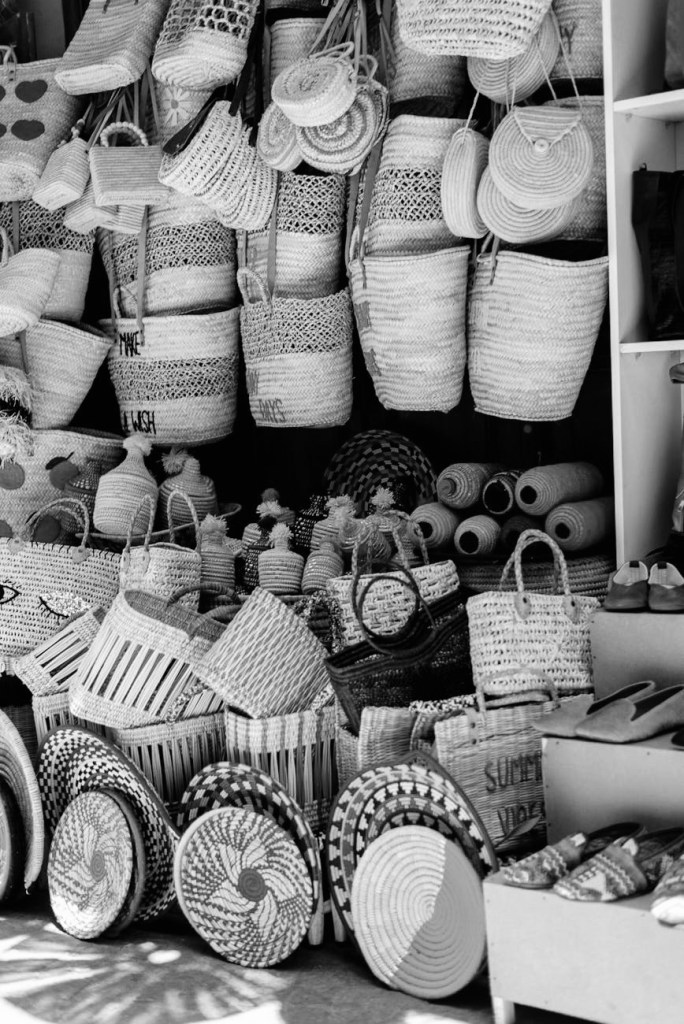
Every purse tells a story — of culture, necessity, beauty, and freedom.
In the next part of this series, I’ll step beyond my own “black hole” and peek into purses from around the world: Japan’s quiet order, India’s ceremonial color, Ghana’s woven strength, France’s minimalist charm, and more.
Because what we carry — and how — may just be one of the clearest reflections of who we are.
Well-Stirred Reflection:
Across borders and generations, our purses tell a quiet truth: we all carry pieces of ourselves.
What story is yours still telling?
 Well-Stirred & Wondering
Leave a comment