

If you want to understand a woman, open her purse.
Not to take — but to notice.
In Japan, you might find a small cloth pouch perfectly folded, some tissues wrapped with precision, and a tiny towel to dab away the day’s humidity. Practicality meets grace — care disguised as order.
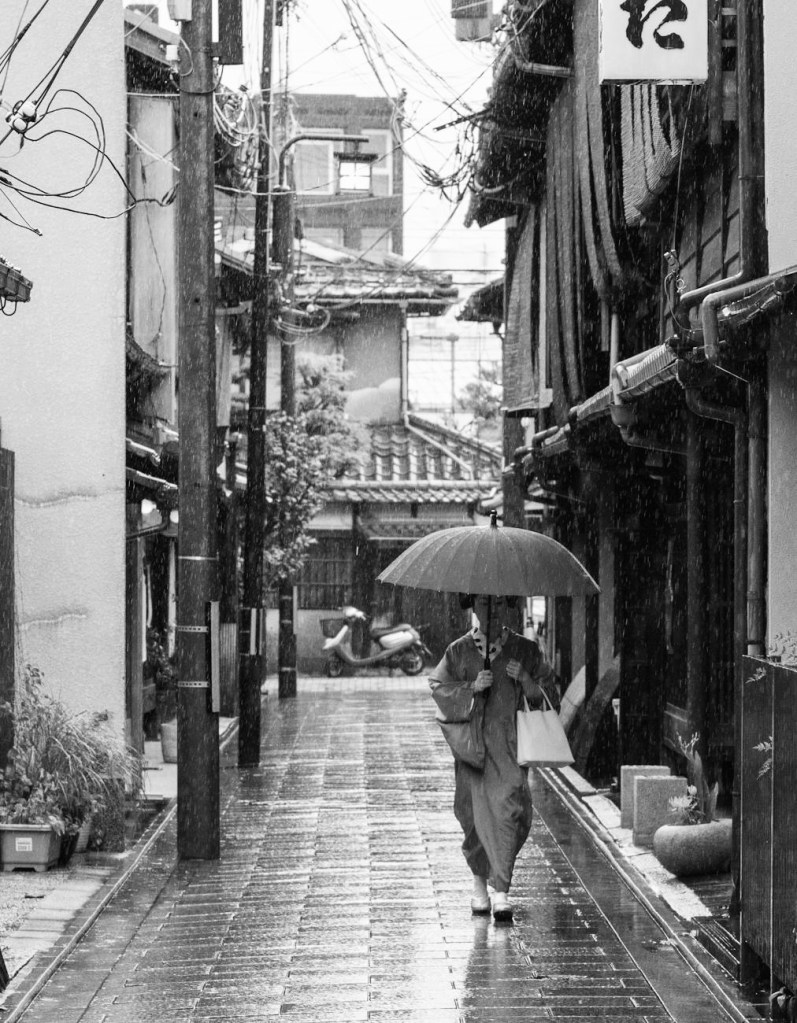
I once stopped in a small Japanese shop in the U.S. and found a fabric envelope no bigger than a business card — sewn neatly, meant to hold toothpicks. Something so simple, yet made beautifully. It felt like a quiet lesson in attentiveness: that even the most ordinary things deserve dignity.
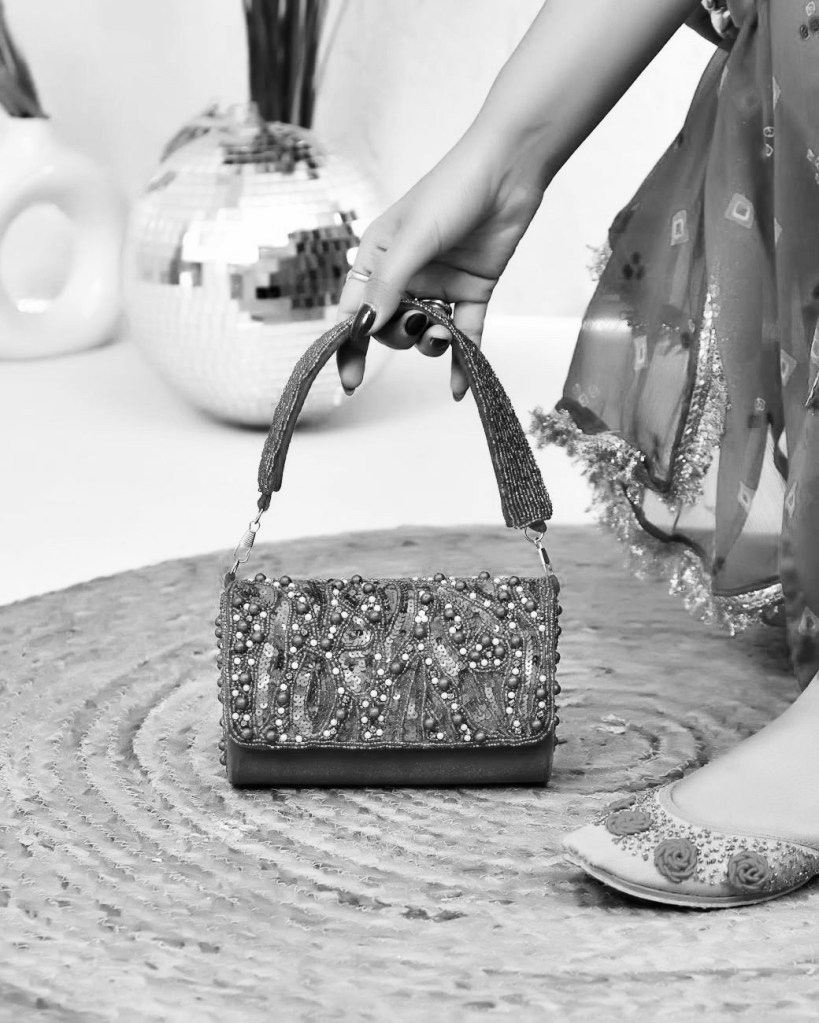
In India, the purse becomes a living diary: the jasmine flower still fragrant from morning prayers, a faded bus ticket, coins from the last temple visit, and a tiny tin of kajal — not just for beauty, but protection. The sacred and the everyday sit side by side, unembarrassed.
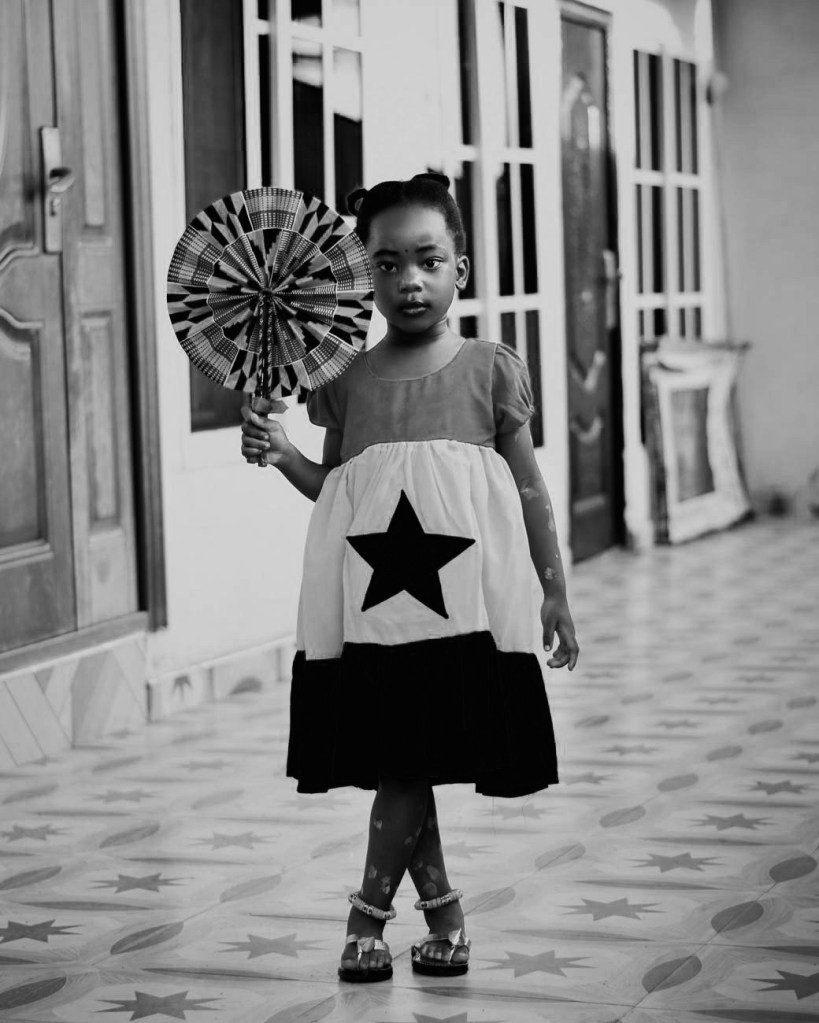
In Ghana, color leads. The bag might hold a sachet of water — my family calls them “water blobs” — shea butter, and a phone charger wrapped in Ankara fabric. Often, there’s a folded fabric or leather fan tucked inside — the kind that opens into a perfect circle with a snap. It’s part function, part beauty, ready to bring a moment of breeze and grace to the heat of the day. It tells a story of movement — from trotro to market, office to church — resilience stitched into rhythm.
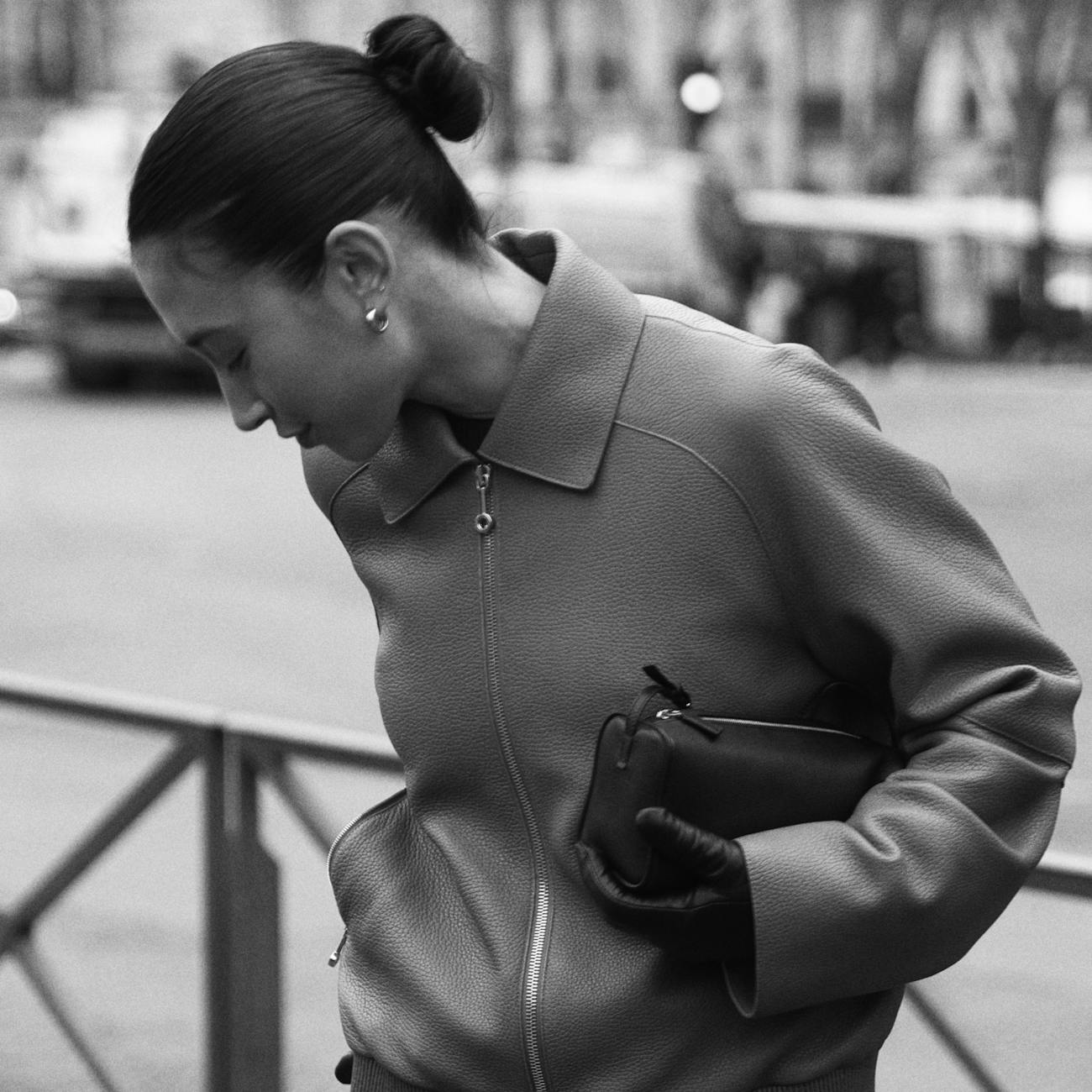
And in France, perhaps, the purse is small, deliberate. Lipstick, keys, confidence. There is intention in what is not there. Minimalism as an art of self-definition.
I once read a book on French fashion — not about brands or trends, but about what makes women unforgettable. What stayed with me wasn’t what they wore or carried, but what they didn’t. The restraint. The refusal to clutter — in language, in gesture, in belongings. There’s a quiet power in that discipline, a belief that simplicity allows space for presence.
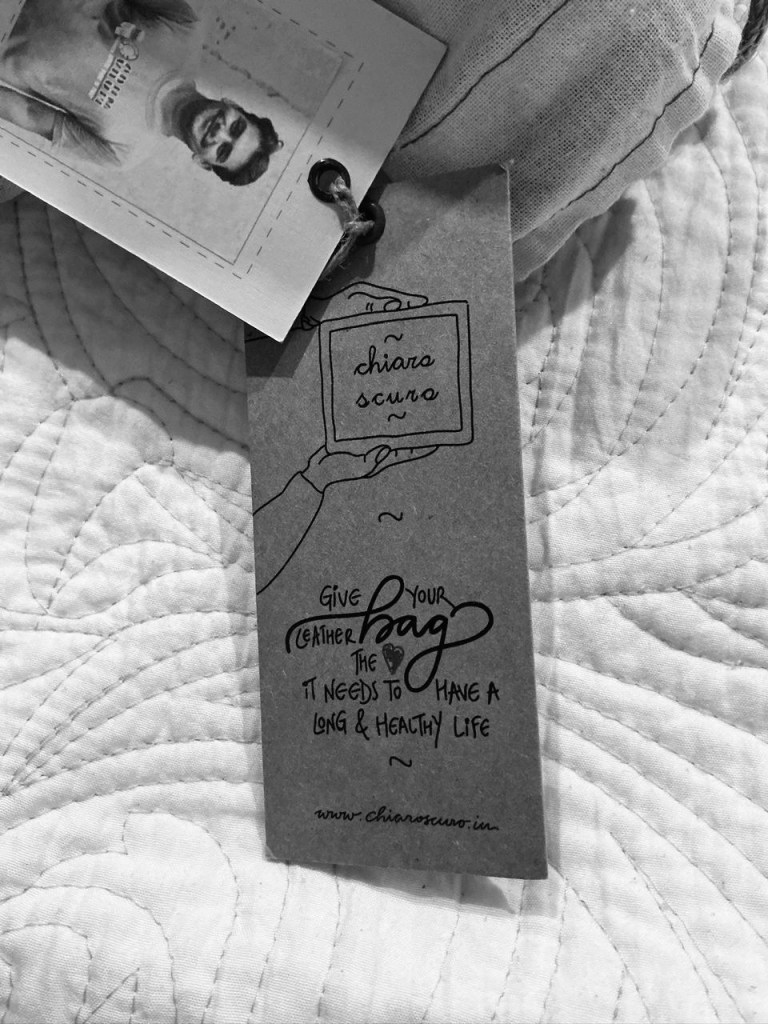
The purse I carry now was made in India, crafted from leather remnants by a single artisan. His name is printed on a small card attached to the bag — Ibrar. The tag explains that each artisan works on one creation at a time, devoting complete attention to the piece. “Nothing is mass-produced,” it reads. “Each item is the work of a highly skilled hand.” Even the care instructions feel tender: Don’t wet. Keep away from sunlight. Cream once every three months.
It struck me as a kind of relationship — an invitation to care for something that was already cared for.
I once searched the word “purse” in my email inbox — the results were endless. Beauty companies, jewelry brands, manifestation newsletters, even news articles. It struck me that a purse isn’t just a thing we carry; it’s an ecosystem. A symbol woven through culture, commerce, and care. A purse is a key element of female existence at this point — an everyday archive of who we are and what the world expects us to hold.
Everywhere, the purse mirrors the cultural now — what a woman must be ready for, what she refuses to forget, and what she insists on carrying close.
The Practical and the Poetic
Across cultures, a purse holds both the expected and the intimate — the practical and the poetic.
A woman’s purse tells of preparation and hope. Bandages and lip balm. Receipts from yesterday. A pen that always leaks but never leaves.
I think about how universal that balance is — the constant negotiation between being ready and being real.
In Ghana, the fan for heat and grace.
In Japan, the folded towel for composure.
In India, the kajal for protection and power.
In France, the pared-down certainty that less can mean more.
And in mine — a small bottle of eucalyptus oil for headaches, my work badge, and a few crumpled receipts or church bulletins covered with half-formed sentences. They’re fragments of what later becomes something whole — the beginnings of blog posts or prayers, written between errands. Nothing extravagant, but honest evidence of a life still unfolding.
The things we carry reveal our faith in ordinary days — that there will be beauty to touch up, hunger to meet, a thought worth saving, a place worth going. It’s not vanity. It’s preparedness in a world that rarely gives us time to pause.
Maybe every purse, in its way, is an act of self-preservation. A soft kind of prayer that says, I will have what I need when the moment comes.
The Invisible Weight
Not everything in a purse can be named.
Some things have no shape, no zipper, no weight you can measure — but they’re there, all the same.
Every woman I know carries invisible things: the mental list of what needs to be done, the memory of a comment she’s still replaying, the reflex to check her surroundings before walking alone at night, the habit of packing tissues “just in case.”
We inherit this preparedness — from mothers, aunties, sisters, strangers who warned us gently: “Always keep something on you.” It’s care disguised as caution. Protection born of love. Across cultures, the items may change, but the instinct remains — to be ready for what the world might ask of us, expected or not.
A few years ago, I ran into one of my late mother’s dearest friends while traveling. She noticed my keychain and asked softly if I carried anything for protection. I told her I used to keep a flip blade, but couldn’t travel with it anymore. Her expression shifted into one of quiet determination — the kind of look women get when they’ve decided something. She insisted on getting my address before we parted.
Weeks later, a package arrived at my door. Inside was a small yellow Birdie alarm — a keychain that releases a piercing siren and flashing strobe when pulled, meant to startle and save. Tucked beside it was a handwritten note, her words full of love and maternal care. I’ve saved it somewhere, though I can’t remember exactly where. What mattered most wasn’t the note itself, but what it represented — how women, in their own ways, keep watch over one another.
It reminded me that the weight we carry isn’t always a burden — sometimes it’s an inheritance of love disguised as vigilance.
And yet, even with the weight, there’s beauty. Because to carry is also to continue. To hold is to still have room — for love, for work, for art, for a breath of eucalyptus when the headache comes.
Returning Home
When I think about all the purses opened across this story — from Japan to India, Ghana to France — I realize they’re less about possessions and more about presence. Each one is a quiet reflection of what women believe they must hold to meet the world: grace, preparedness, courage, a little beauty, a little hope.
Our bags are never just bags.
They’re extensions of memory — shaped by the hands that raised us, the cultures that formed us, and the people who loved us enough to make sure we were safe.
Sometimes I imagine all of these purses side by side: stitched, woven, clasped, zipped — each holding the evidence of an ordinary, extraordinary life.
We carry the tools that help us survive and the tokens that remind us why we want to. We carry what the world has asked of us and what our hearts have chosen to keep. And in doing so, we carry one another — through gestures, through stories, through small yellow alarms that arrive in the mail.
Maybe that’s what the cultural now really is: not a trend or a moment, but the living thread that ties us to one another. A recognition that what we carry, where we come from, and who we love are all part of the same tapestry.
And when I shoulder my bag — its leather soft from use, its scent faintly earthy and familiar — I feel, somehow, accompanied. By my mother. By her friend. By women everywhere who have quietly prepared for the journey, and kept going anyway.
“We are more alike, my friends, than we are unalike.”
-Maya Angelo
 Well-Stirred & Wondering
Leave a comment